|
|
Cranberry sauce and bread sauce
 These two sauces, one American and one thoroughly, thoroughly English, are an essential part of my Christmas dinner - it's just not Christmas without them. Cranberries are incredibly tart when raw, and I consider them pretty inedible (despite the Finnish habit of eating them raw, with shaved ice and caramel). This recipe is very easy, and it transforms them; cooked until they pop with sugar and a lovely lemony liqueur, a lot of the bitterness vanishes. The sauce is the perfect accompaniment to your turkey or goose on Christmas day, or to some Christmas Eve ham. If your only experience of bread sauce so far is the stuff you reconstitute from a packet, you are likely to have read the title of this post, pulled a face and sworn never to make it yourself. You'll be missing a treat - made properly, it's a creamy, fragrant cloud that you'll find yourself slathering all over a good roast dinner, potatoes and all. The trick is in infusing the milk with aromatics like bay, shallots and plenty of cloves for a good long time, so that the sauce is rich with flavour. (A bad bread sauce is a bland nightmare.) I make this year-round, and it's great with any roast poultry or game birds. It's also extremely good cold as part of a Boxing Day leftovers sandwich. The cranberry sauce can be made well in advance, and keeps for weeks, covered, in the fridge. All the preparation for the bread sauce (setting the milk to infuse, making the breadcrumbs) can be done the night before you eat, which means that you won't be in such a rush to pull the different elements of your meal together on Christmas Day. To make the cranberry sauce you'll need: 350g raw cranberries 200g sugar (granulated or caster) 30ml Limoncello liqueur zest of 1 lemon 60ml water  This is hopelessly easy. Just stick all the ingredients in a small saucepan, bring to a brisk simmer and cook for 10-15 minutes, until all the cranberries have popped. You'll be able to hear the individual berries pop as they heat up, which is somehow rather pleasing. The cranberries are full of pectin, so the sauce will solidify as it cools. Keep it in the fridge until you need it, and stir through briskly before serving so it doesn't look like a chunk of jelly. To make the bread sauce, you'll need: 1l full-fat milk 200g fresh breadcrumbs (just put 200g of crustless white bread in the food processor and whizz) 3 bay leaves 1 sprig thyme 2 shallots 20 cloves 10 black peppercorns 100g salted butter 100ml double cream 1 teaspoon salt  Cut the shallots in halves and press the cloves into them. Put them in a large saucepan with the milk, bay leaves, thyme, peppercorns and salt. Warm the milk to the barest simmer - the milk should be shuddering rather than bubbling. Remove from the heat, cover the pan and leave it in a warm place overnight (I put mine on top of the boiler.) About an hour before you plan to eat, sieve the solid ingredients out of the milk and return the liquid to the pan. Bring to a gentle simmer and stir in the breadcrumbs and cream. Remove from the heat again and lay a piece of cling film right on top of the sauce (this stops it forming a skin). The breadcrumbs will swell with the milk, stiffening the sauce. When you are ready to serve the bread sauce, bring it up to a simmer again and stir in the butter. Taste for seasoning, adding more salt if you think it needs it. Labels: accompaniments, bread, Christmas, cranberries, roast, sauce, savoury, Thanksgiving
Roast turkey
 Only twelve months early for your Christmas turkey, and eleven months early for your Thanksgiving turkey, here's a roasting technique that will make even the most fibrous, leaden bird a moist, crisp-skinned joy. (Not that this one started out either fibrous or leaden - Dr W's parents bought it from Lishman's in Ilkley, which is one of those butchers that has almost as many awards as they do pork chops on display - and with good reason. This was a beautiful turkey.) Turkey is a troublesome meat. It seems that whoever designed the bird constructed it to be difficult and dry - the fibres in the meat are very long and can tend towards stringy; and any bird this large (ours was 14 pounds, which is heavier than both of my cats put together) is at risk of drying out while you try to make sure it's cooked through. There are, however, some features of the turkey which make it really worth cooking at least once a year, not least its fantastically delicious skin, which, if cooked like this, will turn mahogany-brown, caramelised and crisp. I caught several members of the family peeling skin off the carcass and eating it standing up in the kitchen, which is always a good sign. The bird's liver is also excellent. It's rich and creamy, and is really worth saving to enrich your gravy with (of which more later). So what's the trick to achieving a moist flesh and crisp skin? It's as easy as anything - remember that post from 2008 about my experiments with brining? I scaled things up from the jointed chickens I'd been working with earlier, and brined the whole turkey in a savoury, Christmas-y, spicy mixture for two nights. You'll need a big vessel to do this in. I bought a cheap dustbin from the hardware store, and thought I was being original and clever until Dr W's Dad, whose own father was a butcher, said that bins were the brining vessels of choice when he was a boy in his Dad's shop, helping to brine huge cows' tongues. There's nothing new under the sun. The really good news about the brining is that it makes the flesh so moist you won't have to turn the turkey onto its breast partway through cooking. (Anybody who has ever tried to turn a searingly hot turkey partway through cooking will be punching the air with joy on reading this.) Put your turkey in the brine two nights before you plan to cook it. This amount of brine should be sufficient to cover turkeys up to 20+lb - and if you're cooking a turkey bigger than that, I have news for you. That's not a turkey. It's a pterodactyl. Ours was 14lb, and was submerged nicely. To make the brine, you'll need: 9 litres cold water 325g salt 300g sugar Zest and juice of 1 lemon, 1 lime and 1 orange 4 tablespoons cider vinegar 8 tablespoons maple syrup 8 tablespoons honey 1 large onion, grated 1 large knob ginger, grated 6 cloves garlic, squashed 1 handful each oregano, parsley, tarragon, chives, ripped and squashed with your hands 10 peppercorns, crushed 2 teaspoons fennel seeds, ground in mortar and pestle 1 large tin pineapple in juice, crushed with masher For the inside of the bird, the glaze and the giblet stock you'll need: 1 large onion 1 lime 1 tangerine 1 lemon 200g salted butter plus a tablespoon for frying the liver 4 tablespoons maple syrup giblets from the turkey 1 shallot 1 carrot 1 bay leaf 1 tablespoon flour 1 glass red wine salt and pepper  Combine all the brine ingredients in your carefully cleaned bin, and stir with a wooden spoon until all the salt and sugar have dissolved. The pineapple is important. It has an enzymatic action on the protein of the turkey, making the flesh softer and more moist - it also tastes fantastic. Lower the turkey in carefully (don't drop it in - it'll splash and you may tear the skin) and leave the bin, covered with a sheet of cling film and its lid, in a cold place until the morning you want to cook it. Outside the back door should be fine in cold December, unless you live in an area with foxes, in which case the coldest part of the garage is probably preferable. Turkey, brined or otherwise, is at its best when cooked quickly. Don't stuff the bird (not even the neck) - this will just make the cooking time unacceptably long. I'll be providing a recipe for stuffing cooked separately later this week. Remove the turkey from the brine two hours before you intend to cook it to allow it to come to room temperature. Push a quartered large onion, a halved lime, a halved tangerine and a halved lemon into the bird's cavity. Preheat the oven to 220°C (430°F) when you are ready to start cooking, and make a stock by simmering all the giblets except the liver (which you should save in a bowl until you make the gravy) in a litre of water in a covered pan with some salt, a halved shallot, a peeled carrot and a bay leaf while you cook the turkey. Melt together 200g of salted butter and 4 tablespoons of maple syrup, and use the mixture to baste the turkey before it goes into the oven. Cook at this high temperature for 30 minutes. The turkey should already be turning golden brown. Baste again, cover with tin foil, and lower the temperature to 180°C (350°C), basting every twenty minutes or so with the butter and maple syrup mixture. For the last 15 minutes of cooking, remove the foil and baste again. Cooking times for different weights of turkey are as follows: - 5lb - 1½ hours
- 8lb - 1¾ hours
- 10lb - 2 hours
- 12lb - 2½ hours
- 15lb - 2¾ hours
- 17lb - 3 hours
- 20lb - 3½ hours
- 25lb - 4½ hours
Poke with a skewer behind the thigh joint to make sure the bird is done (if it is, the juices will run clear - nay, spurt, if you've brined it - they should not be pinkish), and rest the finished bird for 20 minutes before serving. This will give you time to make the gravy. Sauté the liver in a tablespoon of soft butter until it is just cooked, and use the back of a spoon to push it through a sieve into a bowl. Skim all but a few tablespoons of fat from the pan juices from the turkey and discard, and with the roasting pan on a low heat on the hob, whisk the flour into the remaining fat and the meat juices. When the flour is blended with the fat, tip in the wine and whisk as it bubbles up. Add a couple of ladles of the giblet stock until the gravy is the texture you want, then whisk in the sieved liver. Add any more juices which have come from the resting turkey, and season to taste. Over this week, I'll be posting all the trimmings you need to go with your Christmas dinner - bread and cranberry sauces, stuffing balls, chipolatas in pancetta, some really fantastic roast potatoes and ( cough) sprouts. I realise it's early in the year, but these are all fantastic with roasts year-round, they're fresh in my mind, and you have a bookmark button if you want to save all this to read for Christmas 2009. Labels: brining, Christmas, Meat, roast, savoury, Thanksgiving, turkey
Merry Christmas!
 I'm taking a short break from blogging over Christmas. Look out for a return next week with a turkey recipe (which will be too late for this year, but you can give it a whirl in 2009) with all the trimmings; in the meantime, a very merry Christmas to all of you! Labels: notices
Ambassade de L'Ile, London
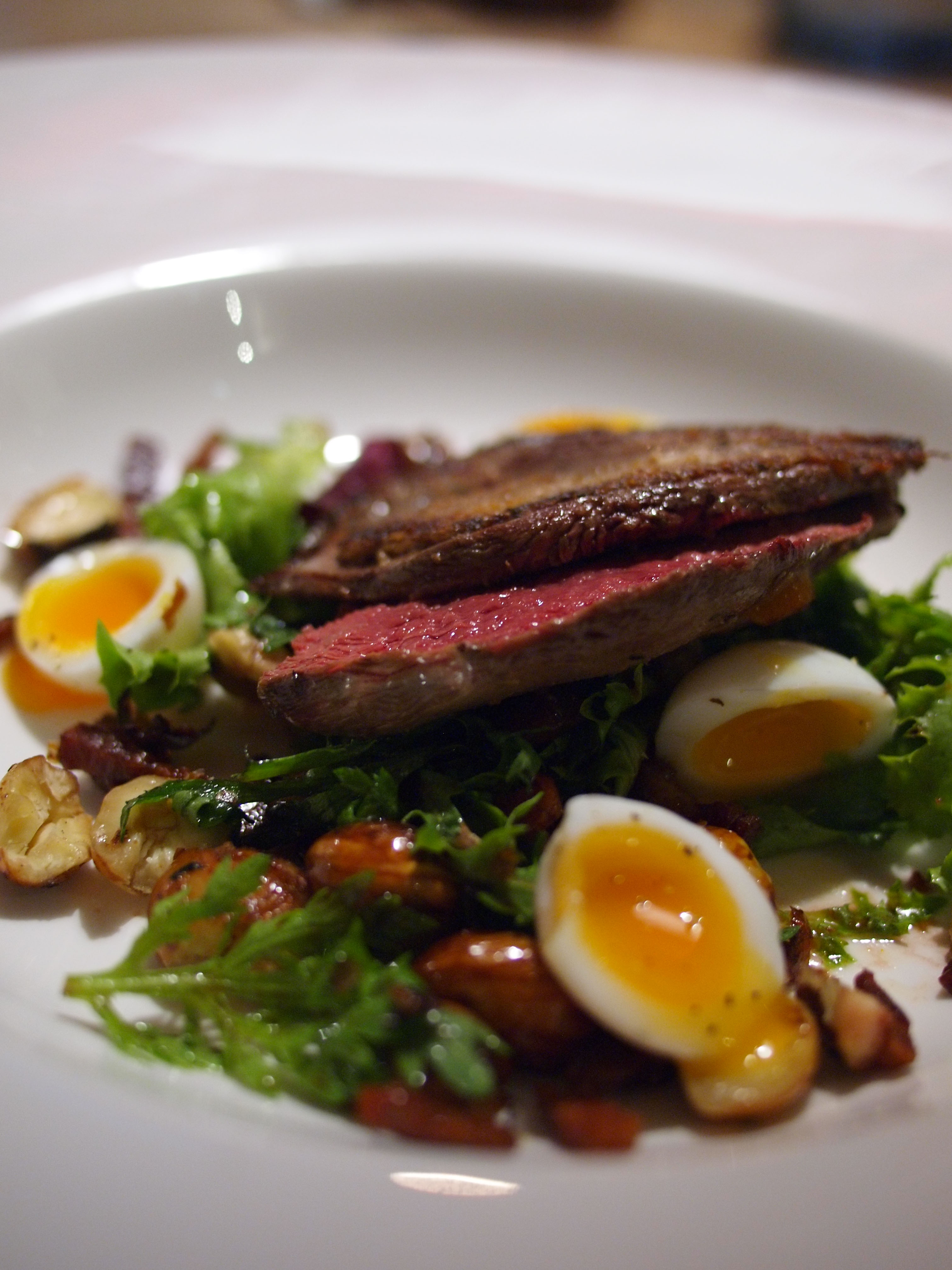
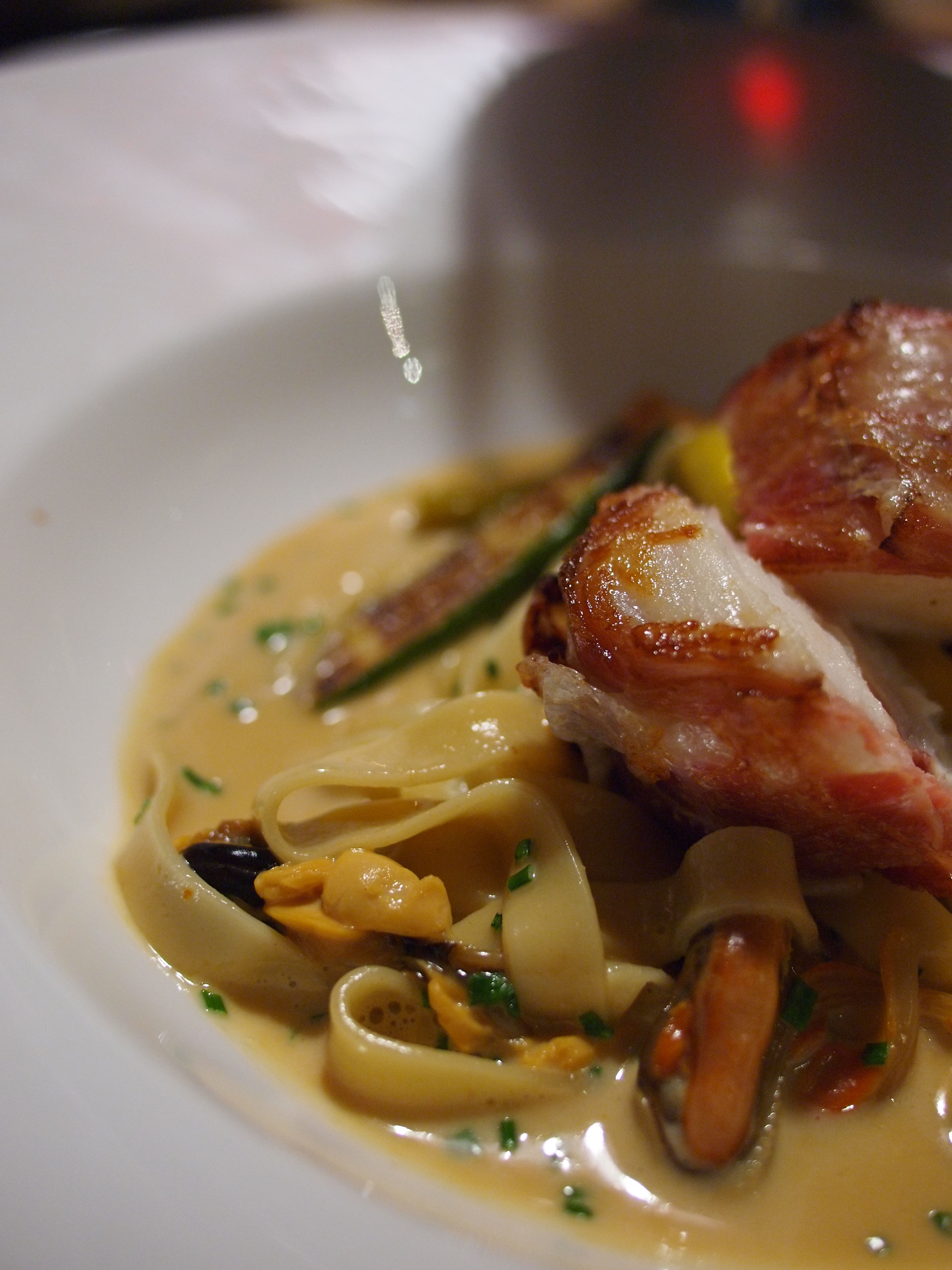
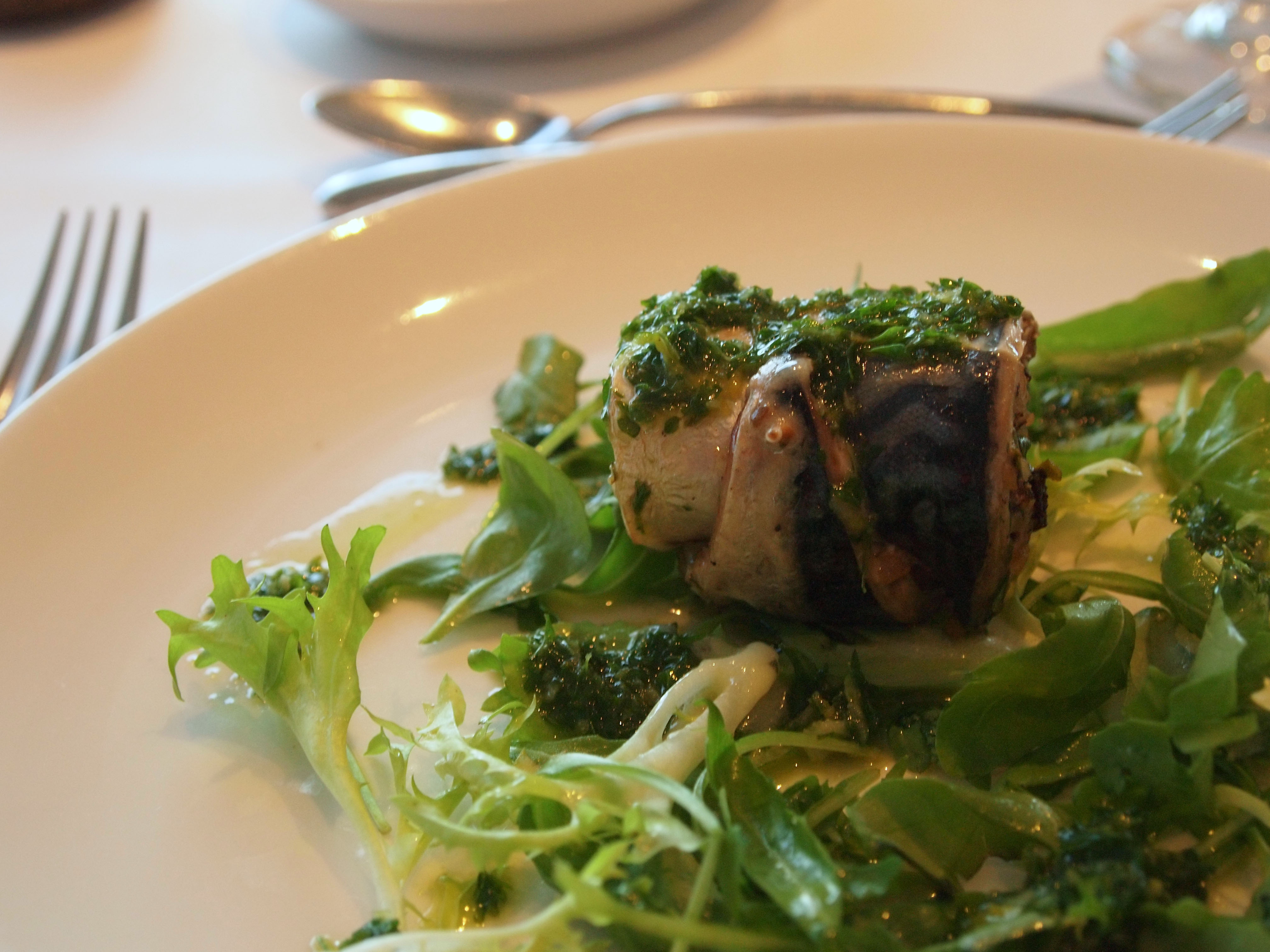
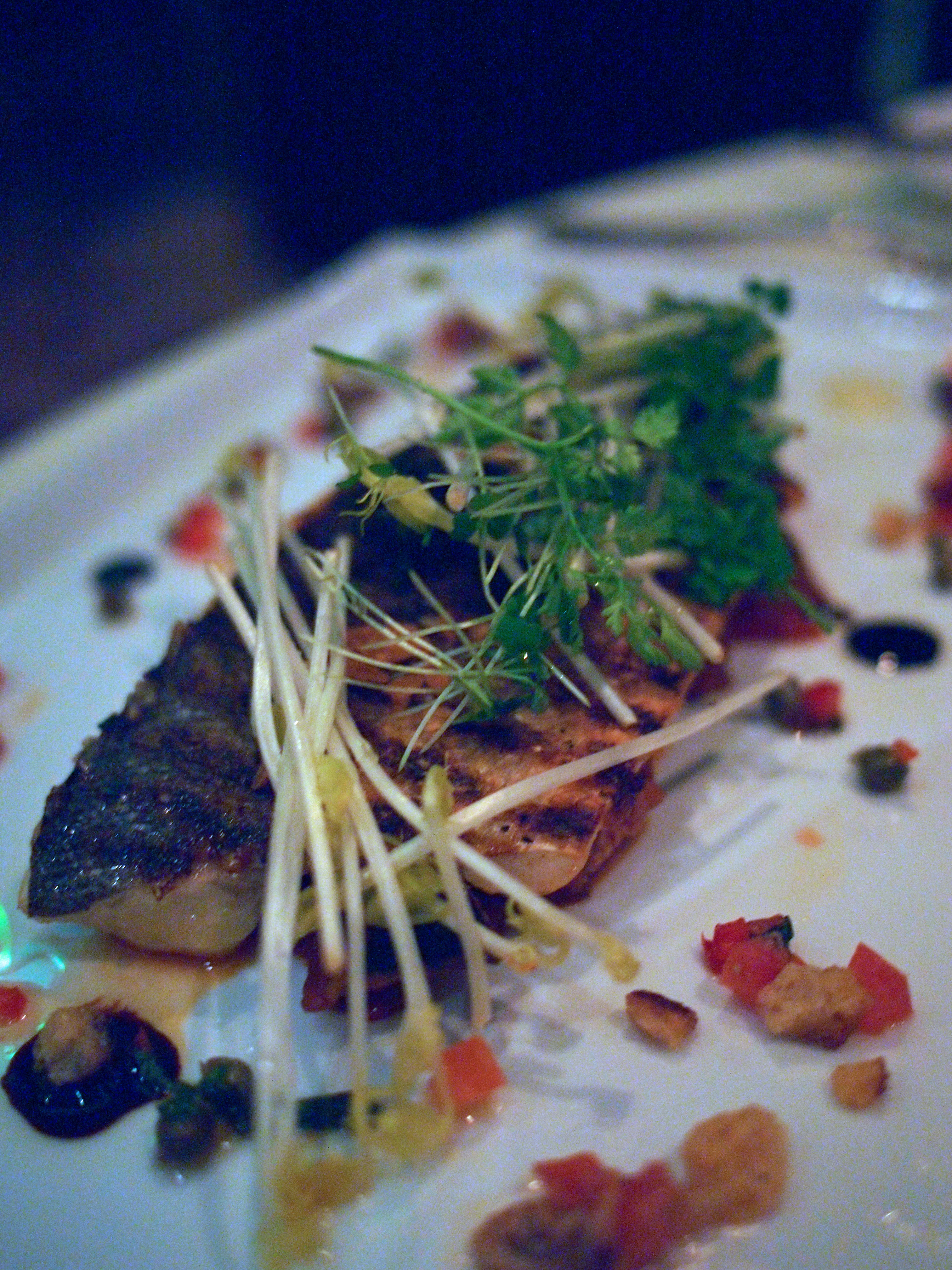
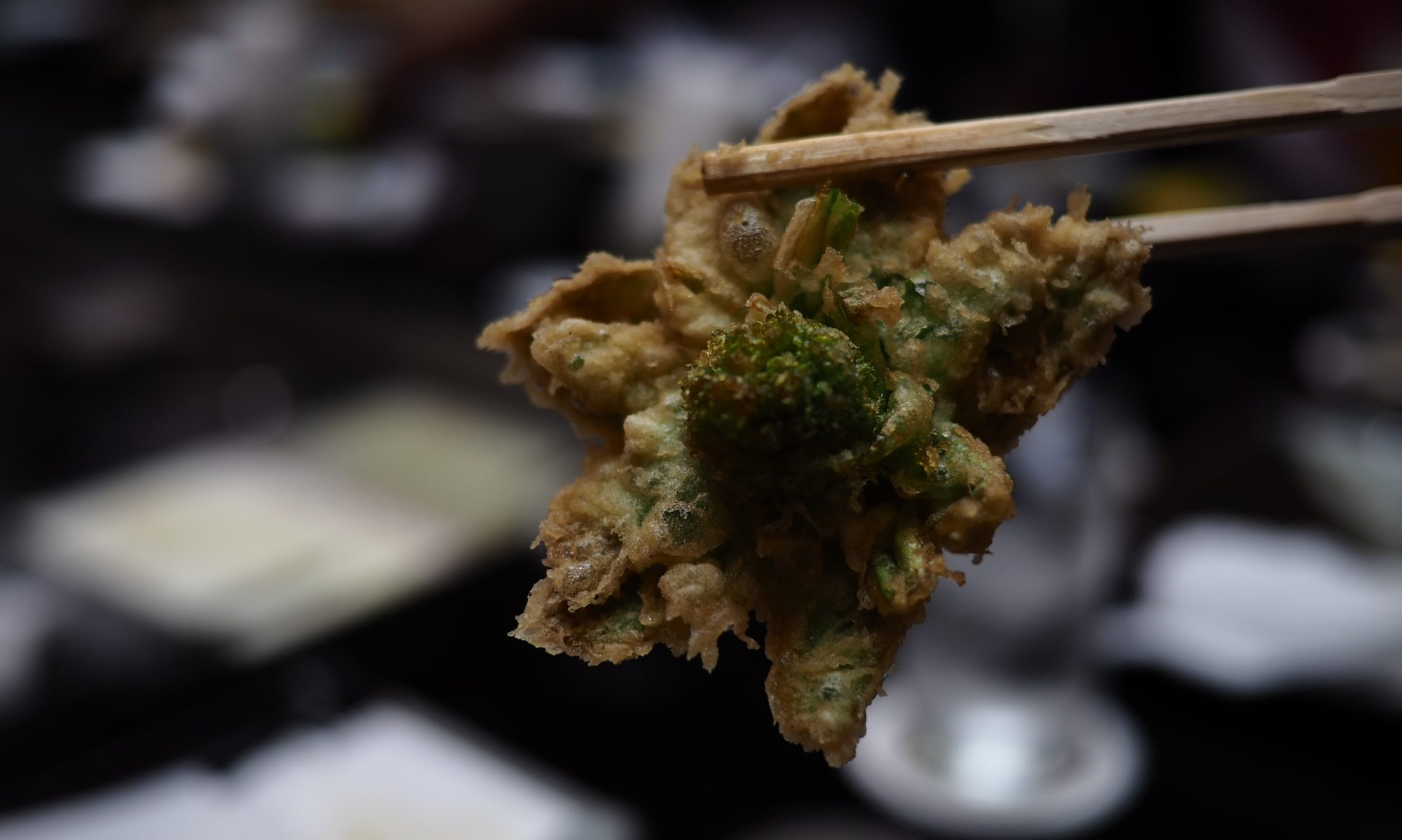
 If you'd asked me last week, I'd have said that it was impossible to accidentally book a table at a two-star chef's new restaurant while remaining firmly under the impression that you were booking something quite different. My poor Dad, on phoning to confirm the table at what used to be one of his favourite restaurants, even started the conversation with: "Hello. Is this Lundum's?" And the person picking up said "Yes." (The correct answer would have been "No. Lundum's closed six months ago. This is l'Ambassade de L'Ile.") The waiter did acknowledge that we are not the first party this has happened to. It's a bad way to start a meal, and I hope they sort things out at their reservations desk; l'Ambassade has no need to rely on the reputation of the excellent restaurant that used to occupy this building, and everyone in our group started the evening extremely irritated at the mix-up. Still: on getting there, we decided to stay; we had all, after all, travelled between two and three hours to get there, we were seduced by the colour scheme (aubergine shag-pile carpet! White panels of leather with what looked like a dear little belly button in the middle of each one!), and I'd read about the chef, Jean-Christophe Ansanay-Alex before. I was secretly rather thrilled to have the chance to try his cooking. His L'Auberge de l'Ile in Lyon has two stars; he used to cook for Christina Onassis; he only has one arm. Prices here are extraordinarily high, but we were celebrating; it's nearly Christmas; and I've been cooking tofu, pork hock and oxtail and other budget proteins for weeks, so was feeling like a bit of cream and truffles. The à la carte had numbers on it which looked to be denominated in rupees rather than pounds (no starter came in under £25), so we all went for the £90 tasting menu, reasoning that three à la carte courses weren't going to come in at much less than that. I'm still a little uncomfortable about the price, especially given that we fully intended to pay for our half, but had our credit card batted away by my Dad, who gets into Father Christmas mode at this time of year. £90 (without wine from the pricey list - and my Kir Royale alone cost £15) seems a hell of a lot to pay for a meal in the current financial climate, especially when you find yourself picking your way through a clot of tramps swigging lager outside South Kensington tube station on your way home. Ansanay-Alex's tasting menu does, at least, try as hard as it can to justify its price. It's almost a pastiche of Lyon's rich, buttery, creamy cuisine, and there's a sense that somebody has sat down with a checklist of the most expensive ingredients, making little ticks as he works his way down through scallops, lobster, caviar, white truffles, black truffles and foie gras. The problem with constructing a menu like this is that all sense of balance goes out of the window, with creamy veloutes, buttery Béarnaises and sabayons, absurdly dense reductions and heavy, rich farces rampaging through the menu like a herd of oily buffalo. L'Ambassade is generous with amuse bouches at the start of the meal and with friandises at the end. A heap of herbs fried in a tempura batter arrives before you've even ordered, and our amuses included a really lovely croquette of black pudding in a cider reduction alongside a tiny clam shell filled with a truffly mirepoix of sweet vegetables, topped with the poached clam. The menu opens as it means to go on - with a mind to the eventual death of your liver. A velvet-smooth cream of scallop soup had a mosaic of lobster-marinaded scallop slices and squares of melting butter resting on the surface. A teaspoon of caviar (the farmed French variety) was inserted into a soft-boiled hen's egg, surrounded by a thankfully tart lemon sabayon. Sea bass, its oily skin cooked to a salty, crisp bark, sat on a fondant potato (always a show-off accompaniment - they're hard to cook well, and are a tremendously chefly thing to put on a plate), sitting in an ornamental pond of really dense, buttery Béarnaise, full of a tiny dice of clams and tomatoes. Venison loin, wrapped in a caul with a foie and black truffle farce, was bathed in London's densest jus. The tiny tower (why is it always towers?) of beetroot and pear was a joyous contrast to all this richness - but oh, so small. At this point I would have paid almost anything for a salad. Another soup - this time a chestnut veloute with celery leaves, crisp little puffs of parmesan and a slice of white truffle. It's white truffle season at the moment, and the smell as the dishes approached was glorious. Some white truffle oil was drizzled into the dish - gorgeous, but I wish this buttery, sweet, creamy, nutty, truffly concoction had been served at the start of the meal, when my appetite for all this richness still had legs. Coffee tart, peanut ice cream, a little disk of hazelnut meringue. "I wish there was some fruit," said Dr W. "The cream-tasting bit of my tongue doesn't work any more." Everyone at the table concurred heartily. (And the pastry in that tart was the single dud of the evening - cakey and rather solid.) We thought this was the end, but the food just kept on coming - a positive bucket full of salt caramels, most of which found their way into my Mum's handbag; fresh, hot, citrusy Madeleines; almond macarons with a fresh, creamy chocolate truffle centre. Finally, here were cones of gingerbread filled with liquorice ice cream, topped with a hard caramel shaped like, and flavoured with, star anise. This was the lightest, most digestible item we ate. So much so that I gave mine to Dr W to digest. The (gargantuan) bill arrived sealed with a dollop of aubergine-coloured wax. This is gorgeous, beautifully presented food, and it's so French I was fully expecting it to go on strike. But it's all a little too much at once - this is rich stuff in every sense of the word, and I wonder how it's going down during the credit crunch. I'd certainly expect a restaurant of this calibre to be far, far more busy on a night shortly before Christmas than it was when we visited. If you're set on visiting, try lunchtime, when a two-course menu comes in at £25, and a three-course one at £30. Does anyone know where I can buy some aubergine shag-pile carpet? Labels: French, London, restaurants, reviews
Prawn and asparagus risotto
 As a contrast to the budget-conscious meals I've been writing about recently, I decided to shove the boat out and make something with a bit of pre-Christmas luxury. Prawns, asparagus, saffron and salty, savoury pancetta cubes don't come cheap, but if you mix them all together in a boozy risotto like this they're delicious beyond all reason - worth every penny. There are a few different kinds of risotto rice available in shops. I always use Carnaroli, which can be less easy to find than the more common Arborio. It's worth hunting some down. Carnaroli rice has a slightly longer, slimmer grain than Arborio, and has a higher starch content and firmer texture when finished; you can hold a risotto made with Carnaroli rice at the al dente stage without worrying about the grain collapsing into a sandy sludge as Arborio might. That extra starch makes a world of difference in a risotto, resulting in a really velvety, creamy finish that you just don't get with other rices. Carnaroli is still grown in the Po valley, where a network of canals constructed in the 19th century irrigates the rice terraces with water from the Alps. American readers can find Carnaroli produced in South America, but the Italian product, raised in the traditional way, is supposed to be the finest, and is really worth hunting down. To serve four, you'll need: 320g Carnaroli rice 1 litre fish or chicken stock 1 large glass white wine 2 banana shallots 3 stalks celery 4 cloves garlic 100g pancetta cubes a few sprigs of thyme 2 teaspoons fennel seeds, ground coarsely in a mortar and pestle 1 large pinch saffron 1 large pinch chilli flakes 180g raw, shelled prawns 150g asparagus tips 1 large handful grated parmesan 1 handful chopped parsley 40g butter 2 teaspoons olive oil Put the saffron in an eggcup and pour over boiling water. Bodge the saffron around in the water with a teaspoon, and set aside while you prepare the other ingredients. Chop the shallots, garlic and celery finely. Sauté the pancetta in a teaspoon of olive oil in a large, heavy-based pan over a high heat for about five minutes until its fat is running, then add the butter, shallots and celery to the pan with the fennel, reducing the heat to medium. Sauté, keeping everything on the move, for two minutes, then add the dry rice to the pan, and continue to sauté until any liquid from the vegetables has started to absorb into the rice. Pour the glass of wine and the contents of the saffron eggcup into the pan and stir until it is absorbed. Add a ladleful of the hot stock to the rice and bring, stirring, to a gentle simmer. As the stock is absorbed, add another ladleful while you stir. Continue like this for about 18 minutes, stirring and adding gradually to the liquid in the pan, until the rice is soft, tender to the bite and velvety. When the rice is nearly ready, saute the prawns in a a teaspoon of olive oil with a pinch of chilli flakes until they turn pink, and chop the asparagus tips into bite-sized pieces. Stir the asparagus into the hot risotto for two minutes. The heat from the rice will cook them to a bright green. Immediately before serving stir the prawns (with any juices and the butter from the pan) and parmesan into the mixture with salt to taste (you shouldn't need much, depending on the saltiness of your pancetta and stock) and a handful of chopped parsley. Labels: asparagus, Italian, pancetta, prawns, Rice, risotto, saffron, savoury
Ring in the New Year with £100
 It's competition time again. One lucky reader will win £100 of groceries to kick-start the New Year! Gastronomy Domine has teamed up with Allrecipes.co.uk again to give one lucky reader the chance to win £100 in grocery vouchers. All you have to do is prove you know your mixed peel from your mincemeat! For your chance to win, simply follow these steps: - Find the answers to the five questions below by following the links.
- Take the first letter of each answer to make the secret code.
- Submit your five-letter code at the link below!
If you crack the code correctly, you could win £100 worth of groceries! Good luck! 1. This champagne cocktail calls for three _____ raspberries. 2. This Icelandic Christmas cake calls for what type of extract? 3. This delectable party nibble calls for what type of oil? 4. What type of butter is called for in this Christmas pudding? 5. Which herb flavours this roast turkey recipe? Cracked the code? Enter here for a chance to win! The competition closes on January 15, and the winner will be contacted when the competition has ended. Labels: competition
Posting is likely to be slow this week...
I've come down with a really nasty cold, and I'm not finding food an easy thing to contemplate at the minute. I'll be back on top of things as soon as possible - in the meantime, have a look at some of the blogs in the blogroll on the left to get your food fix! Labels: notices
Twice-cooked aromatic pork hock
 I mentioned earlier this week that I'd found a pork hock, big enough to serve three, for a recession-busting £2.30 at the butcher. Now, as with a lot of the more knobbly bits of a pig, my favourite thing to do with this cut is to stew it slowly, for a long time, with rich and aromatic Chinese flavourings like soy and star anise. That said, there are already a couple of recipes on this blog which show you how to stew a piece of meat like this (see the braised pork belly or the Malaysian braised pork with buns), so I decided to ring the changes by turning this into a twice-cooked dish. The soft, braised meat has its bones removed and is cooled before being deep-fried whole, then shredded. Served with the thick, reduced cooking liquid and a sprinkling of herbs and chillies, it's just gorgeous - crisp bits, soft bits, all with fantastic rich flavour that penetrates all the way through the meat. The Japanese, who have a word for everything foodsome, call the mouth-feel you get with a dish like this umai - the sauce is umai because its thickness comes from the gelatin in the meat. (You know the kind of sauce I mean - it's the sort that turns into a set jelly if you leave it in the fridge.) If you enjoy the rich, silky texture of sauces like this, it's worth reducing and freezing any that you have left when you're done cooking and eating, and saving it to use as the base of the stock you use next time you cook a similar Chinese pork dish. You can do this indefinitely, and a master stock like this will just get better and better. Just follow your recipe as usual, but add the defrosted master stock to the dish at the same time you add any other liquid ingredients. To serve two ravenous and unfortunately greedy people or three ordinarily-hungry people, you'll need: 1 pork hock 1 teaspoon five-spice powder 5 cloves garlic 4 shallots 3 stars of star anise 1 stick cinnamon 1 tablespoon sugar 6 spring onions 1 in piece ginger, sliced 3 tablespoons dark soy 5 tablespoons light soy 2 tablespoons oyster sauce 4 teaspoons runny honey 2 teaspoons salt 250 ml pork stock 1 glass Chinese cooking wine Water to cover 1 handful fresh coriander 1 red chilli 750ml peanut oil (use a flavourless oil if you can't find any) Blend the shallots, garlic, five-spice powder, 2 stars of anise, the sugar and the spring onions together in a food processor, and fry the resulting mix in a small amount of oil in the bottom of a heavy saucepan until it is turning a light caramel colour. Add the pork hock to the pan and brown on all sides, then pour over the stock, Chinese wine, honey, sauces and salt. Add three of the spring onions, the ginger and remaining star of anise to the pan with the cinnamon stick, broken into a few pieces. Add water if necessary to cover the meat. Put the lid on the pan and bring to a very gentle simmer. Continue to simmer, turning occasionally, for 4-5 hours. At the end of this time, the hock should be soft and aromatic, and the bones falling out of the middle. Remove the meat to a plate and, when it is cool enough, remove both bones from the hock (they'll slip out very easily - you won't need a knife). Don't remove the skin - it's the best bit. Remove the spring onions and ginger from the stock and discard, and boil the stock to reduce it to about half its volume. Dice the chilli, chop the coriander and remaining fresh spring onions finely, and put them in a small bowl. Heat 750 ml of oil in a wok to between 175 and 190°C (345–375°F). Fry the cooled hock for four minutes, then turn it over and fry for a further four minutes. Drain and remove to a plate, and use two forks to shred the meat. Serve over rice, with some of the thickened stock poured over, and the spring onion, chilli and coriander mixture sprinkled liberally on top. Labels: casseroles, cheap, Chinese, Meat, pork, savoury
Oxtail casserole
 With the collapse of the global financial system, I notice my local butcher is displaying some less expensive cuts, like lamb shanks, oxtail and pork hock, more prominently than usual. The meat in this dish, which would have comfortably served four, cost £3. (That pork hock is in the freezer, and it cost £2.30 - I think I'll cook it in a Chinese style later this week.) Oxtail has a very distinctive, rich, dense flavour, unlike other cuts of beef. It's well worth making good friends with in winter - slow-cooked, it's one of the most warming dishes I can think of. A casserole made with oxtail will be pleasingly dense without adding any thickening agents; the gelatin in the meat thickens the sauce with no need for flour. Cooking on a budget needn't mean a life of porridge and baked beans. I cooked this delicious oxtail until its meat became meltingly soft in a red wine and beef stock sauce (cheap red wine, home-made stock - buy a tub from the supermarket chiller section if you don't have your own), with some new potatoes I'd walloped with the side of the rolling pin and roasted with some whole, unpeeled garlic cloves and plenty of salt and pepper. There was sauce left over, gelatinous and rich, and studded with vegetables and butter beans. I warmed it through and spooned what was left over a baked potato for lunch the next day. To serve four, you'll need: 1kg oxtail, joints separated 150g smoked lardons 2 medium carrots 1 large onion 4 stalks celery 5 cloves garlic 1 bouquet garni 1 bottle red wine 150ml beef stock 2 generous tablespoons tomato purée 1 teaspoon Worcestershire sauce 1 tablespoon balsamic vinegar 1 can butter beans Salt and pepper Parsley to garnish Olive oil  Dice the onion, carrot and celery into small, even cubes, and slice the garlic finely. Set aside. Heat some olive oil in a large, heavy-bottomed pan, and brown the oxtail carefully all over. Remove the oxtail to a plate. Fry the lardons in the pan until they start to crisp and release their fat. Lower the heat to low/medium and add the diced vegetables and garlic to the pan. Sauté, moving around vigorously, until the onions and celery are softening and have turned translucent. Return the oxtail and any juices to the pan, stir well to mix, and pour over the wine and stock with a teaspoon of salt and a generous amount of pepper. (You are allowed to subtract a glass of wine from the bottle before you add it to the pan if you really want: cook's privilege.) Add the bouquet garni, tomato purée, Worcestershire sauce and vinegar to the pan and bring to a gentle simmer, turn the heat right down, pop the lid on and leave to cook gently for four hours, stirring every now and again. At the end of the cooking time, reduce the sauce with the lid off a little if you'd like it even thicker and richer. Drain the can of beans, and add them to the casserole, simmering for fifteen minutes. The meat will be falling away from the bone easily. Serve with plenty of starchy potatoes to soak up all the delicious sauce. Labels: beef, casseroles, Meat, oxtail, savoury, wine, winter
Cheese scones
 Cheese scones, English, savoury and light, were one of the first things I learnt how to cook in school home economics lessons. The scones we turned out at school were really pretty awful - there was not enough cheese, and they were full of margarine. But a good cheese scone, properly spiced, made with butter and plenty of strong cheese, can be very different, such that Dr W will eat three, buttered, in one go and then make strange contented sighing sounds for the next couple of hours. This is (as my home economics teacher doubtless realised, despite her margarine/cheese stinginess problems) a great recipe for kids. It's easy, it introduces them to the rubbing-in method they'll use when they're feeling advanced enough to attempt pastry, and it's hard to mess up. And what child doesn't get a huge kick out of baking something to go in his own lunchbox? We ate these as part of a sort of high-tea arrangement late on Sunday afternoon. I like them with lots of butter and a little Marmite, which really makes the parmesan and cheddar in the scones sing. When buying the cheese for these scones, make sure your cheddar is a mature, flavourful variety. To make 8 cheese scones you'll need: 225g self-raising flour ½ teaspoon salt 1 teaspoon powdered mustard ½ teaspoon cayenne pepper 50g softened, salted butter 50g cheddar, grated 25g parmesan, grated 150ml whole milk, plus a little to glaze Preheat the oven to 230° C (450° F). Sift the flour, salt, mustard and cayenne into a bowl (hold the sieve up high - you're trying to aerate the mixture as much as you can). Cut the butter into pieces and rub it into the flour mixture with your fingertips until you have a mixture that resembles breadcrumbs. Grate the cheeses and stir them into the flour mixture. Pour all the milk into the bowl with the flour and cheese, and use a knife to bring everything together into a dough. Roll the dough out on a floured surface until it is 1cm thick, and cut into rounds with a fluted 6.5cm cutter. Arrange on a greased baking sheet and brush the top of each scone with milk. Bake for 8-10 minutes, until the scones have risen and are golden. These are fantastic served straight from the oven. If you want to ring the changes, try adding a tablespoon of Herbes de Provence with the cheeses for a cheese and herb scone - really good served with a slice of sharp cheese. Labels: baking, cheddar, cheese, English, parmesan, savoury, scones
|
|